
Articles
Harbor Notes 2024
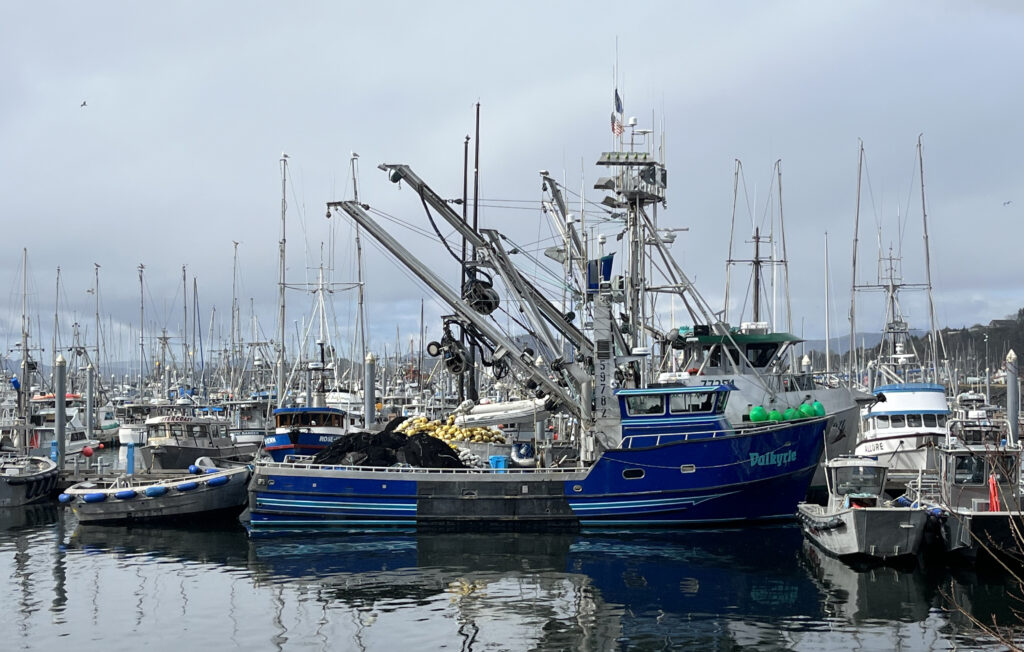
The Sitka Harbor Dept. did not receive federal “Port Infrastructure Development Program” (PDIP) grant funding in 2023, so “We are re-applying again in 2024,” says Harbormaster Stan Eliason. Grant results will not be known until fall, 2024.
These funds would be used to upgrade electrical systems at Eliason Harbor. “The pilings have 22 years of life left,” said Eliason, who would like to get “at least 20 years of life from the electrical system. In a perfect world, the pilings, electrical and everything else would have the same service life expectancy.”
Read MoreEverything You Always Wanted to Know about NOAA
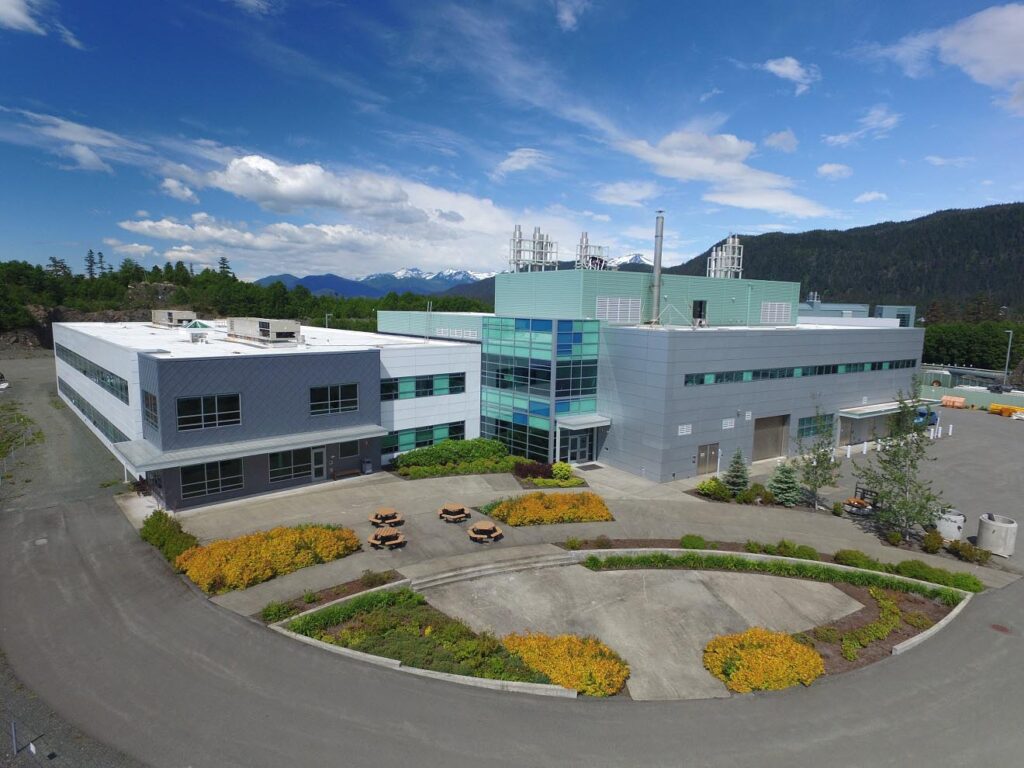
Ask any Sitkan – or indeed, any Alaskan (especially fishermen and mariners) — if they have heard of NOAA, and they will likely respond with a light in their eyes and a nod of their heads.
The acronym “NOAA” stands for National Oceanic and Atmospheric Administration. This federal agency was organized in 1970 under the US Department of Commerce.
Read MoreMemories of Serving as Medical Officer Aboard a NOAA Vessel in the Late 1980s
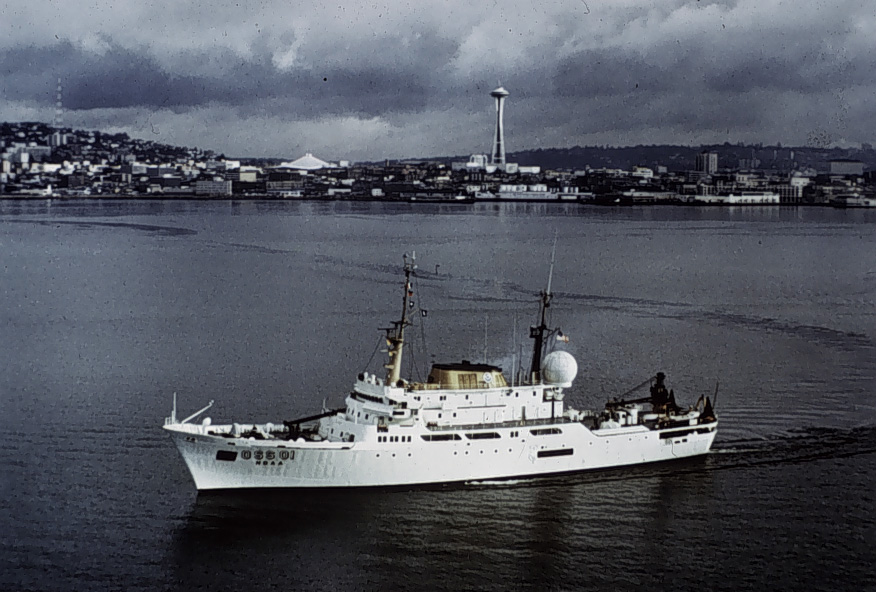
My month on the NOAAS Oceanographer (R 101) in the South Pacific was indeed most memorable. I still have my file from that adventure, which was in the late 1980s, maybe 1987 or ‘88.
The USPHS called for volunteer physicians from the Commissioned Corps and the Clinical Director at Mt. Edgecumbe Hospital where I served in Sitka approved my TDY.
Read MoreElectric Vessel Update 2024
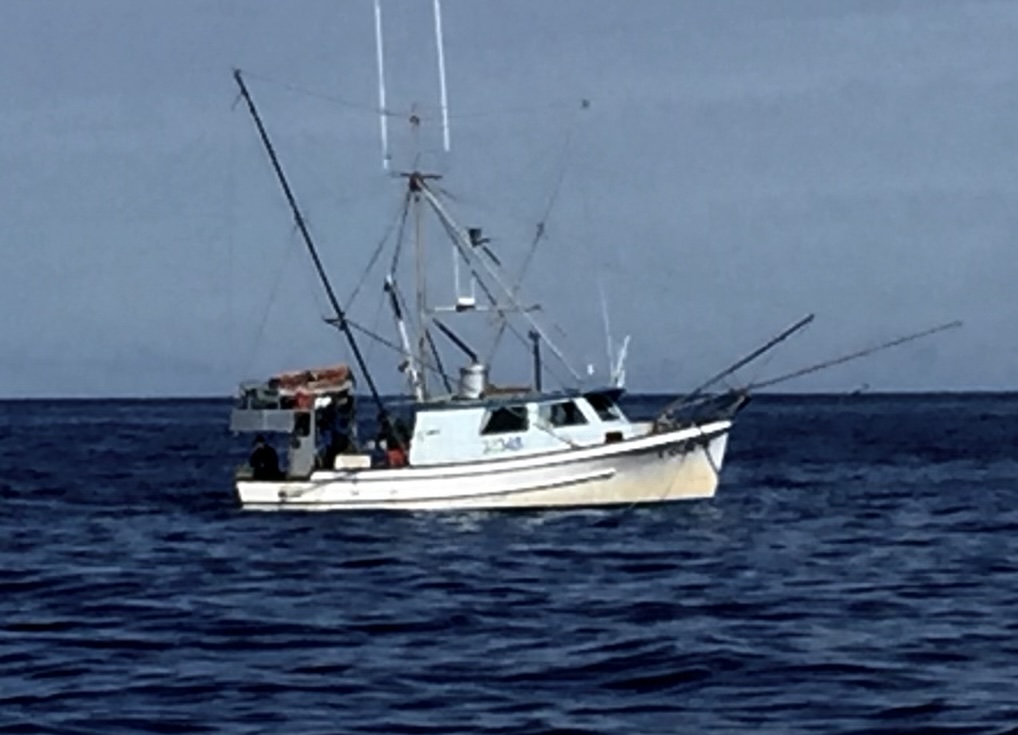
Imagine: You pilot your boat quietly into a secluded bay, savoring the perfect reflection of the shoreline mirrored in the still surface.
The only sound is the swish of water along the hull. You step out onto the back deck and take a deep breath of clear crisp air—ahh, clean and quiet! Wait…no engine rumble echoing off the forested shore?
Read MoreEV’s, the Wave of the Future? Electric vehicles? No, electric vessels!
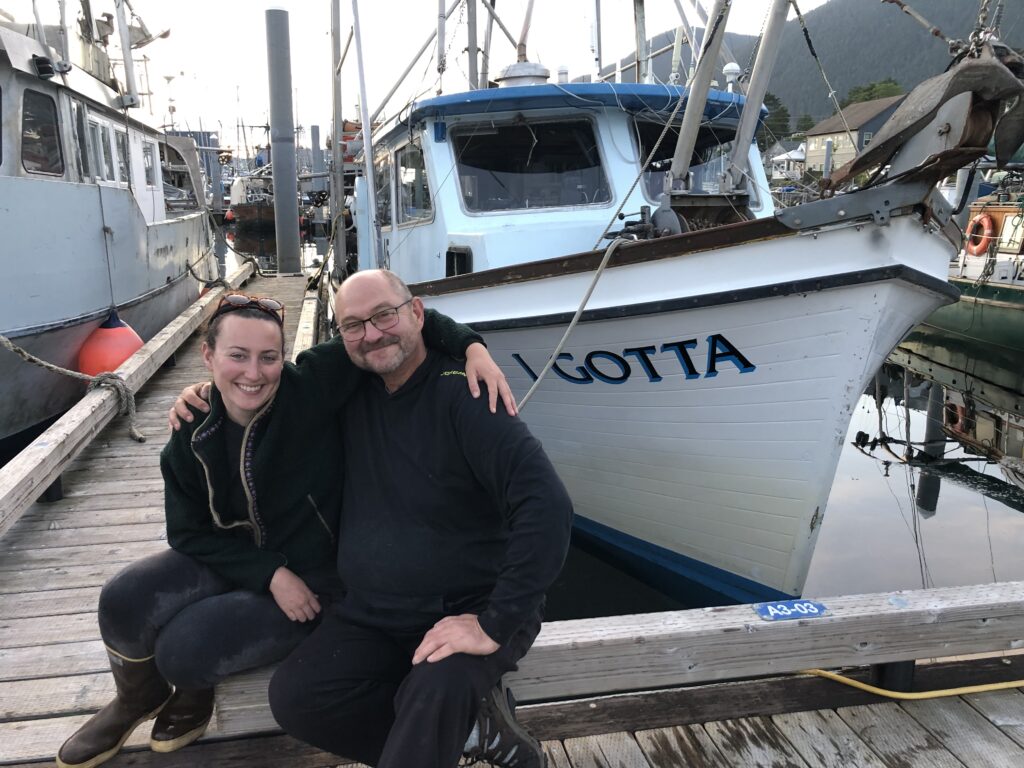
Electric cars are increasingly commonplace these days. And electric trucks – including models from Ford, GMC, and dedicated EV manufacturer Rivian – are finally rolling off the assembly line. But what about boats?
Small electrically powered boats have actually existed for over one hundred years! Larger vessels such as emissions-free commercial ferries — pioneered in Scandinavia — have been silently sailing the seas for at least 7 years now, in a variety of configurations and stages of conversion. Norway’s Yara Birkeland – the world’s first fully electric and autonomous container ship – entered service in spring of 2022.
Read MoreQ&A with Cover Artist Pat Kehoe

I’ve been fascinated by the view of the historic Fisherman’s Quay building with the boats moored out front and the Sisters Mountains looming above. It is challenging because of the scale of the mountains and the way the light flattens the buildings.
I’ve worked on different versions many times and about ten years ago finally felt that I did justice to the scene. I’ve known and loved (the boat’s late skipper) Larry Calvin for years because of his delightful nature and tireless support of this wonderful Tongass forest where we have both been fortunate to spend our time.
Read MoreHarbor Notes 2023
The Sitka Harbor Department’s plans for 2023 include, first and foremost, replacement/repair of Eliason Harbor’s electrical infrastructure.
Says Harbormaster Stan Eliason, “This is a high priority, and we are currently in the midst of applying for a federal grant for the project. We should hear back by October of this year.” Funds are to be obligated by September 30, 2026, and expended within five years of obligation.
Read MoreFishing and Sustainability: A Woman in the Forefront
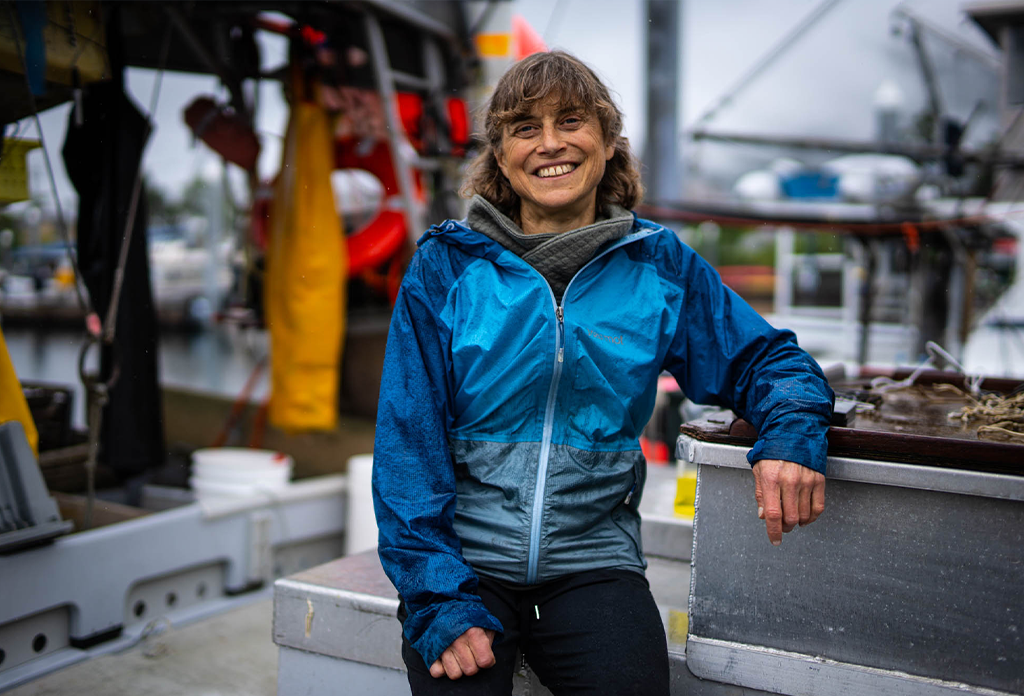
The foremost expert on the topic of fishing and sustainability in Southeast Alaska might just be Sitka’s own Linda Behnken. Many in the state – and the country – would agree with this assessment. As a longtime commercial fisherman, executive director of The Alaska Longline Fishermen’s Association (ALFA) and “birth mother” of the Alaska Sustainable Fisheries Trust (ASFT), Behnken carries a lot of street – or wave – cred.
Behnken sees two significant challenges to sustainability. The first – and perhaps most daunting – of these is Climate Change.
Read MoreFour More Sitka Women in the Forefront
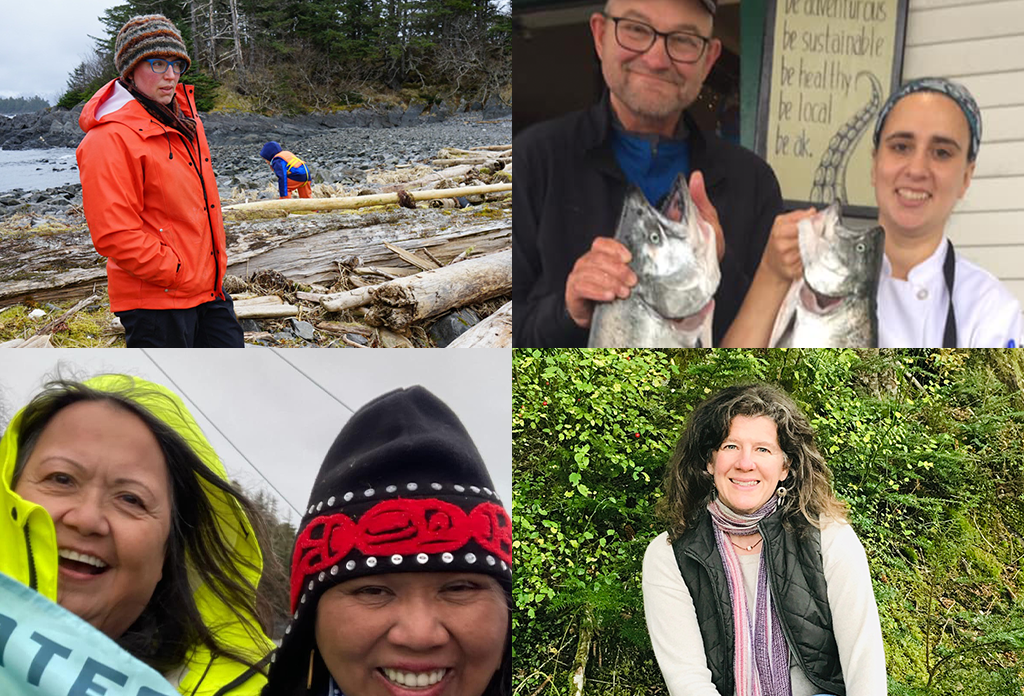
Beth Short-Rhoads – Fish to Families and Schools
Coral Pendell – Keeping the Boat “in Good Trim”
Renee Trafton – Unconventional Taste of Southeast Alaska
Louise Brady – Protecting the Foundation of Life and Home
Read MoreMatt Goff: The Micro and The Macro
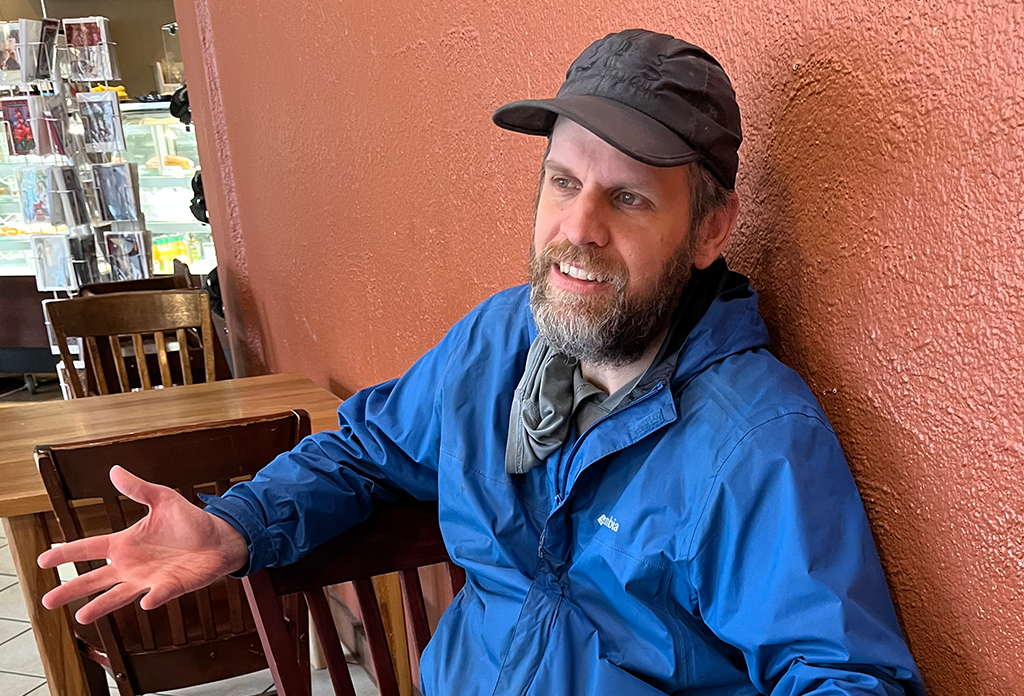
For 20 years Matt Goff has been adding to his website SitkaNature.org. In that time he has shared many thousands of nature photos he’s taken around Sitka.
Anything in the natural world can catch Matt’s focus – including the weather, rocks and the stunning scenery Sitkans are lucky to experience. He especially loves to photograph the wide variety of life found in Sitka’s marine and terrestrial habitats. He’s taken pictures of more than 2,500 species in the area so far and says he’s “got many more to go!”.
Read MoreHarbor Notes 2022
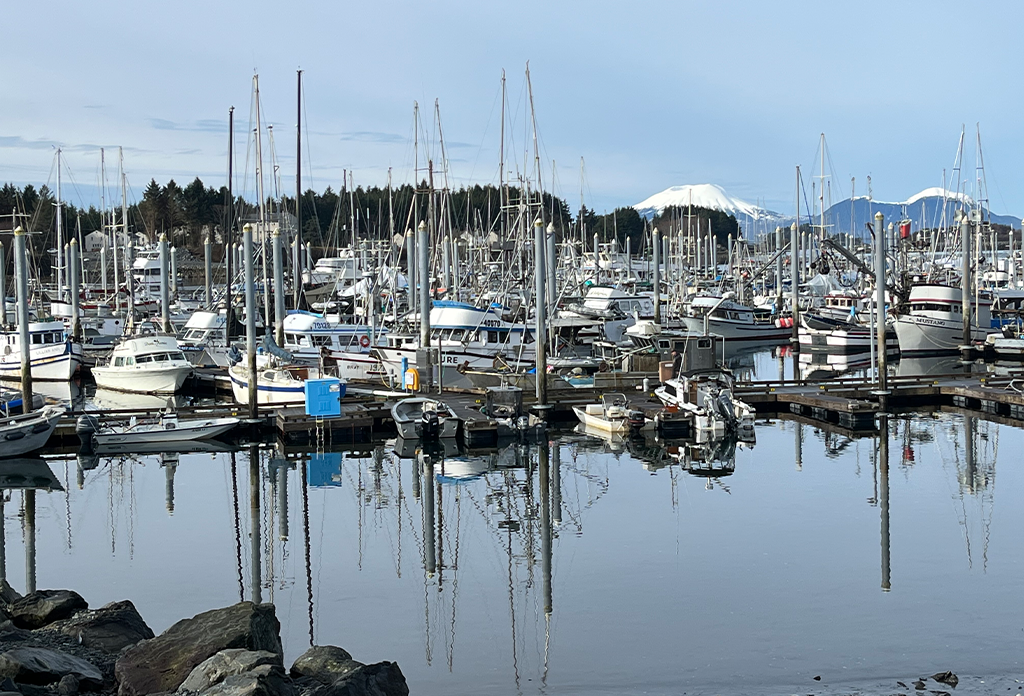
“What’s on our radar for repair and replacement is Eliason Harbor Electrical,” says Sitka Harbormaster Stan Eliason. “Electrical replacement needs to be done and could take as much as $5 million. It is a serious need, but it’s difficult to say when it’s actually going to happen.”
Eliason is still planning on replacing the Fishermen’s Work Float. “That is a pretty critical piece of infrastructure, to get the fishermen back out there and fishing.” Eliason explains that the work float is a Tier II grant, while Tier I grants get priority.
Read MoreSheetʼká: A Maritime-Cultural Timeline
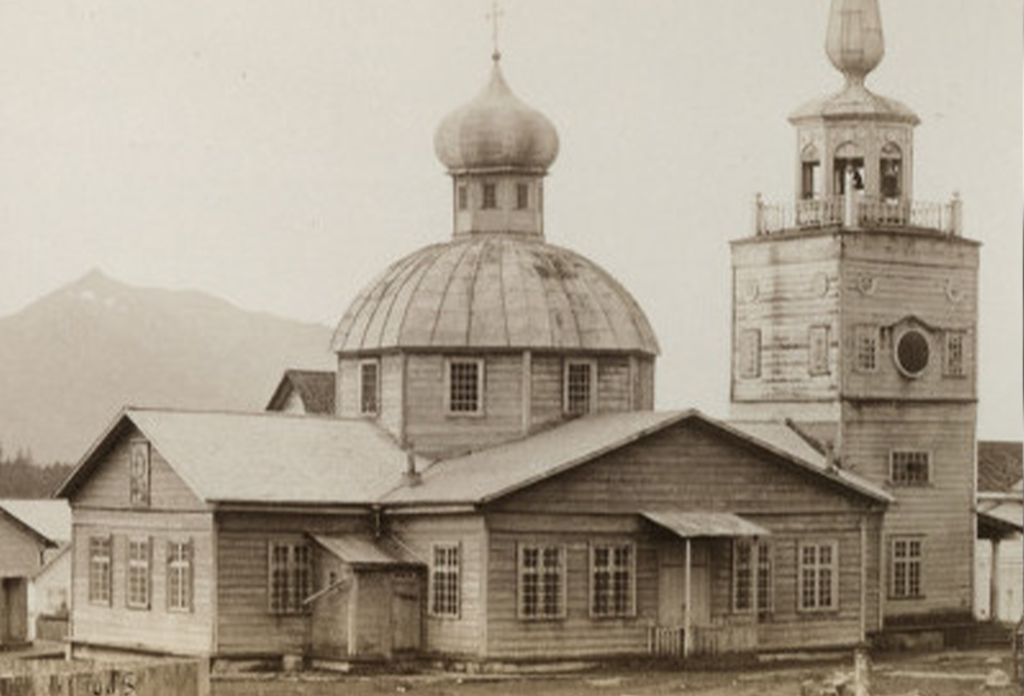
Sitka is located on Baranof Island… in the heart of the Tongass National Forest, the largest temperate rain forest in the world… Access to Sitka is by air or water only. While an influx of Russian Traders and American colonists in the 18th and 19th centuries has resulted in a mixed citizenry, the total Tlingit population has now rebounded…
The mission of the Kayaaní Commission is to preserve our spiritual way of life. The religion of the Tlingit was the Earth. The Tlingit are one with the Earth. (We are) here to preserve and protect traditional ways of our ancestral knowledge.
Read MoreTommy Joseph: From Apprentice to Master Carver
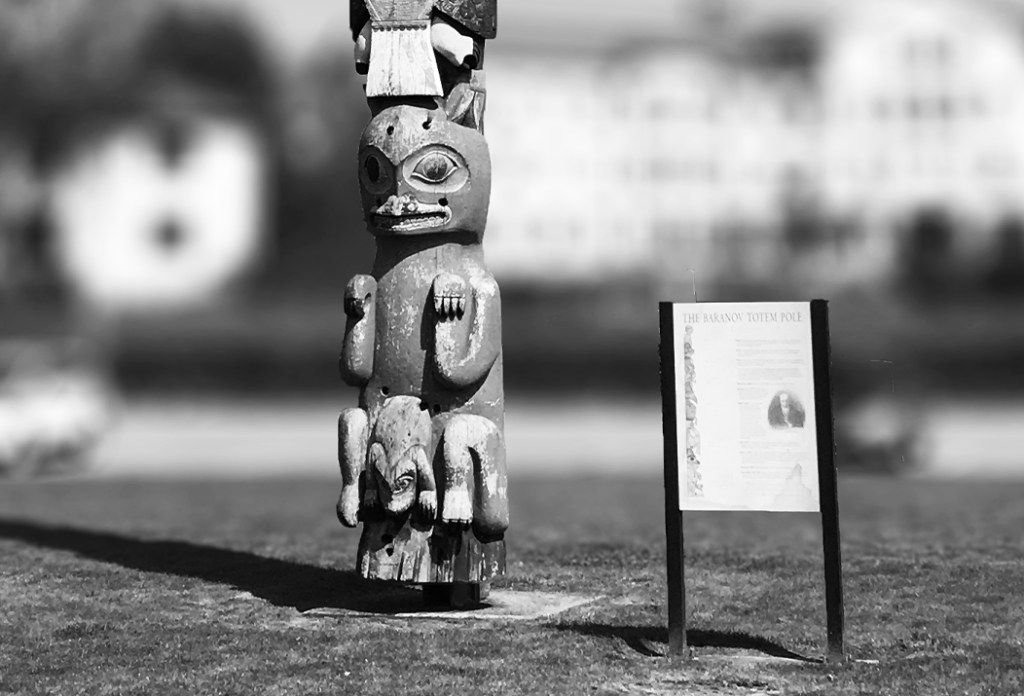
The journey from apprentice to master, in any field, may not be a straight one. But as Tlingit master carver Tommy Joseph knows, the road – or the waterway – however winding it is, will surely be an interesting one.
Tommy’s journey started in Ketchikan, Alaska in 1964. That was when the Tlingit carver-to-be was born, as Naal xἁk’w, into the Ch’aak’/Gooch (Eagle/Wolf) moiety of the Kaagwaantaan (Wolf) clan.
Read MoreHarbor Notes 2021

The rebuilding of Crescent Harbor was completed in late 2020, after delays related to Covid-19 and the complexity of restoring electrical power to all the floats. All boats are back in their slips now.
“The boats which did not need electrical were back in place by May of 2020. After that, power was restored to each float, one at a time.” The final returns were in late summer. The project was “a challenge,” pronounces Harbormaster Stan Eliason. “Now we’re done; it’s time to move on.”
Read MoreStories of Seafood Processing: Workers Who Add Value
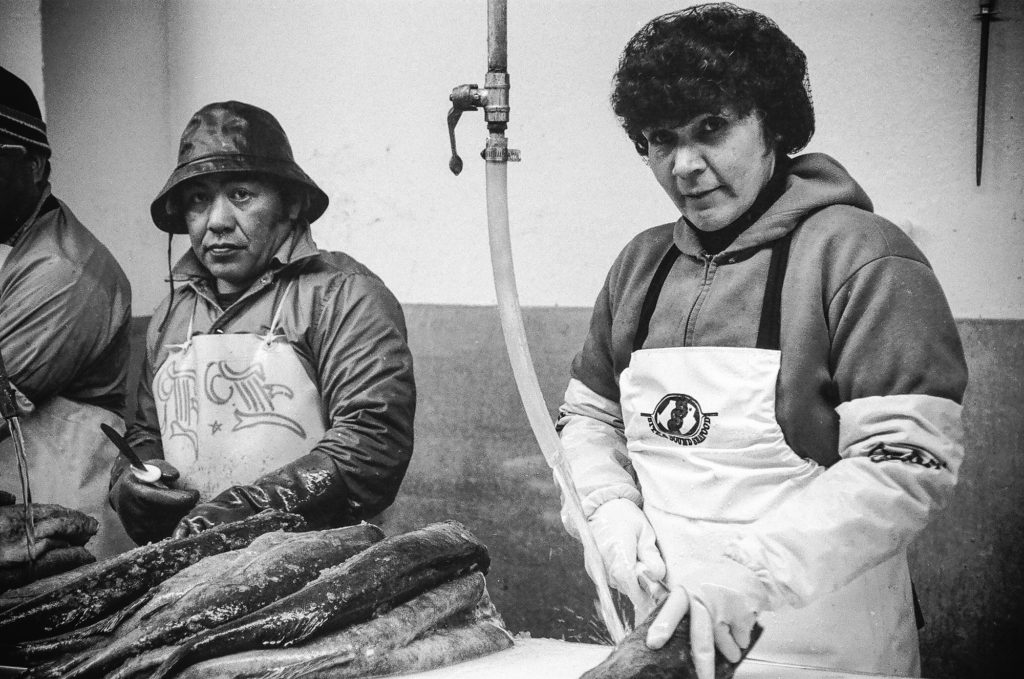
Some folks get their start in seafood processing at a tender age. Now a policy engagement director for the Sitka Conservation Society, Katie Riley worked in the Packing Room at Sitka Sound Seafoods (SSS) for two summers at age 18.
She started by printing labels that gave the weight, price, etc., to go on 50# boxes of frozen fish heading south – her title was “Labeler.” The second year she became “Labeler & Expediter.”
Read More